Background

You already know I care about your roadmap. I also care about how your team feels at the end of a sprint. That is why I focus on prototyping workflows instead of chasing the latest engine feature or tool fad.

01

From designer to prototyper

I started as a generalist designer who wrote scripts, tuned numbers, and cut levels. Over time I noticed that my favourite days were not launch days. They were the days when a rough mechanic first felt alive. I kept leaning into that moment until prototyping became my main craft.

02

Across engines and teams

I have worked with small indie teams, mobile studios, and cross continent collaborations. Each group had its own tools and habits. What stayed constant was the need to turn ideas into tests without breaking production. That tension shaped how I design workflows today.

03

Why workflows matter

I chose to specialise in prototyping workflows because nobody else wanted the job. It sits between design, engineering, and production. It touches process, tools, and people. I like that mix. It lets me help teams move faster while staying honest about what each experiment really tells them.
04

Library of experiment patterns

I also maintain a quiet library of experiment patterns. These are small, reusable ways to test input, pacing, economy, and retention. They are not templates for features. They are templates for questions. I adapt them with each team so they fit the engine, genre, and constraints.

Why I built a studio around game prototyping

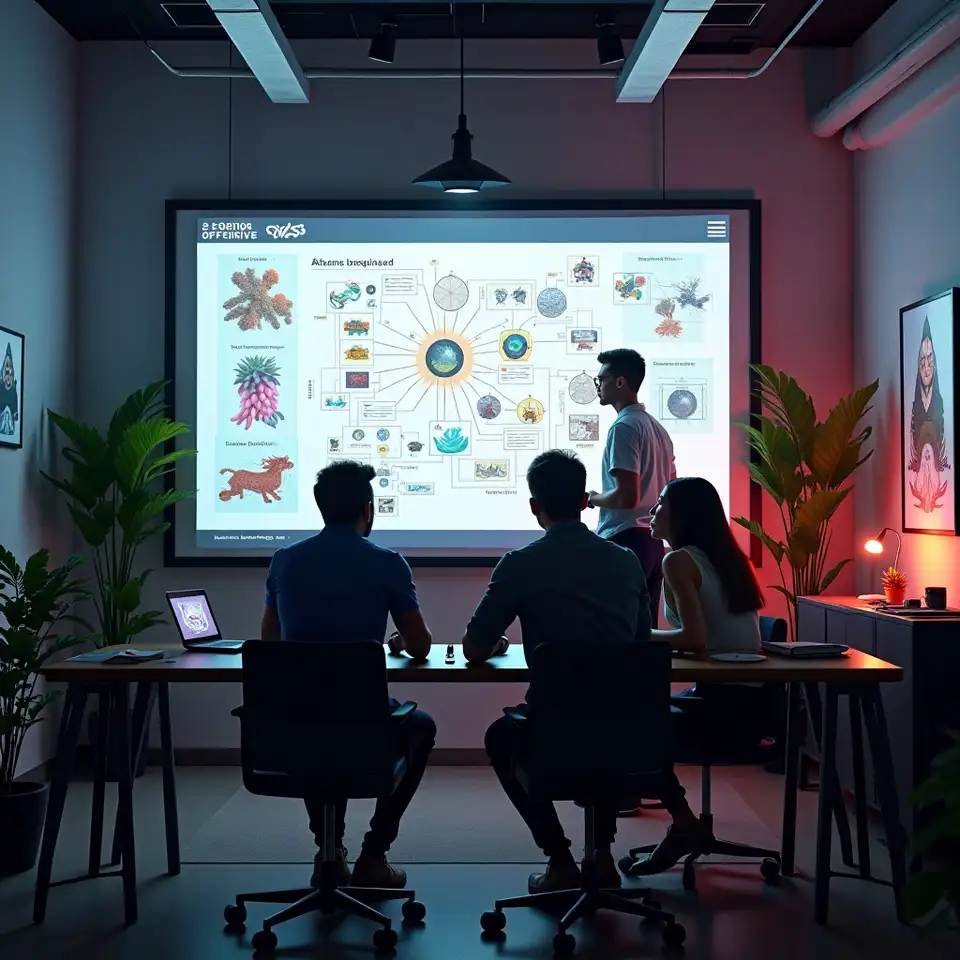
game prototyping studio planning session

I started Aetmyatcoerreoneolar after seeing strong game ideas stall inside slow, fragile workflows that punished teams every time they tried to experiment with something new.

I treat prototyping as production, not a hobby. I care about how fast you can learn without burning your team, your tools, or your budget. This studio exists to give your experiments structure, language, and clear outcomes you can share.

Over time I specialised in what I call friction aware workflows. I watch not only what you build but how you move between steps. I look at engine setup, scene templates, input maps, build automation, and how your team documents experiments. Many issues hide in those seams. When we work together, I start small. I join a sprint, a vertical slice, or a risky feature and trace it from pitch to playable. I flag the bottlenecks, name the trade offs, and propose changes you can test within your current constraints. You keep full control of scope, roadmap, and intellectual property at every stage.

My long term mission is simple. I want more teams to treat experiments as assets instead of debris. That means better naming, better archiving, and better visibility into what you already tried. It means keeping prototypes small enough to throw away yet documented enough that nobody needs to rebuild the same test next year. I stay engine agnostic by design, but I bring deep hands on experience with common tools, version control, and analytics. I also respect that every studio has its own history and culture. I never drop in a rigid framework. I co design a workflow with you, write it down in plain language, and leave you with habits your team can maintain long after I step back.

Most teams treat prototyping as a side quest. I built Aetmyatcoerreoneolar because I saw prototypes deciding roadmaps while getting less structure than a whiteboard sketch. I worked across indie teams, mid sized studios, and remote collaborations that shipped on different platforms. The same pattern kept showing up. Good ideas died in messy branches. Weak ideas lived too long because nobody had data, only opinions. I started to map the workflow instead of the feature. I tracked how long it took to answer one clear design question. I looked at how many experiments shipped, how many stalled, and where handoffs broke. Out of that came a simple loop I use today. Frame the question. Build the smallest honest test. Capture player signal and team notes in one place. Decide, then archive with context. I do not promise magic. I promise a repeatable way to move from hunch to evidence while keeping your engine, tools, and people in sync. Every engagement adapts this loop to your reality, not the other way around.

What I stand for when we work together

Mission for safer, clearer experiments

The mission of Aetmyatcoerreoneolar is to make disciplined game prototyping feel normal for teams of any size. The studio helps teams turn vague ideas into small, honest experiments that respect people, tools, and time. The focus stays on clear questions, repeatable loops, and decisions that your future self can understand.

Vision for healthier workflows

The long term vision is simple. Prototyping becomes a shared language, not a side activity. Teams can point to a trail of experiments and see how their games evolved. New hires can learn from past tests without rebuilding them. Producers, designers, and engineers can talk about experiments with the same terms and the same map.

Transparency in every step

I share how I work, what I will touch, and what I will not touch before any engagement starts. I document decisions, trade offs, and open questions so nobody has to guess why a prototype looks the way it does.

Iteration with intent

I design workflows around short, honest loops that teams can run often. I would rather see a small, clear experiment this week than a huge, confused build next month that nobody trusts.

Player centered thinking

I treat player time and attention as scarce. I frame experiments around what players might feel, not only what the team wants to measure. That lens keeps prototypes humane and relevant.

Technical pragmatism

I work within your tools, constraints, and deadlines. I do not insist on new platforms unless they solve a specific, named problem. I care about what your team can sustain after I leave.

Respect for your IP

You keep control of your ideas, code, and assets. I focus on process, structure, and language. Any examples I share outside your team are anonymised and stripped of sensitive detail.

Evidence over hype

I prefer quiet, steady improvement over big promises. I encourage teams to treat every experiment as a learning step, not a verdict on anyone’s talent. Results may vary from project to project.

Aetmyatcoerreoneolar is small by design. I stay hands on while working with a tight group of collaborators who join when projects need deeper engine work, production support, or player research. You will always know who is touching your builds and why they are in the room.
Arun Mehta, founder and workflow lead

Arun Mehta, founder and workflow lead

Founder and workflow specialist

Workflow and design focus

Experiment loop design Game feel prototyping Cross team facilitation Decision framing Branch hygiene coaching

I lead discovery, workflow design, and prototype reviews. I have worked across genres and platforms, with a focus on helping teams ask sharper questions and cut waste from their experiment loop. I bridge design, engineering, and production without taking over your roadmap.
Leena Rao, technical prototyping partner

Leena Rao, technical prototyping partner

Technical prototyping engineer

Technical implementation

Engine tooling setup Build automation Input systems design Performance profiling

I join projects that need deep engine integration or technical validation. I translate workflow ideas into build pipelines, tools, and scripts that fit your stack. I keep an eye on performance, maintainability, and how your team will live with these changes.

Jonas Keller, production workflow advisor

Jonas Keller, production workflow advisor

Production workflow advisor

Production and planning

Experiment backlog setup Scope negotiation Reporting structures Risk mapping

I support producers and leads who want clearer views of their experiments. I help define experiment backlogs, tracking fields, and simple reports. My goal is to make it easy to see which prototypes moved decisions forward and which ones can be parked.

Mira Das, player research collaborator

Mira Das, player research collaborator

Player research specialist

Player insight and research

Playtest planning Survey design Session moderation Signal interpretation

I come in when projects need structured player signal. I design small, focused playtest plans that respect your community and your schedule. I align test questions with your experiment goals so you do not over interpret noisy data.

Talks, showcases, and community recognition

Talk on disciplined prototyping

2024

Workshop on experiment workflows

2025

Showcase for prototype pipeline

2023

Panel on cross team iteration

2022

How I stay close to real prototyping practice

I do not treat community work as marketing. I treat it as field research. Every talk, workshop, and tool I share comes from messy real projects where prototypes had to survive deadlines, shifting scopes, and remote teams. Below are a few ways I stay close to how people actually build games today.
    1

    Live teardown sessions

    I host small online sessions where teams walk through one recent experiment, from pitch to archive. We map the steps, name the friction, and compare notes with other teams facing similar constraints. Nobody shares numbers or secrets. The focus stays on structure, not content, so everyone leaves with one concrete workflow tweak to try.

    2

    Hands on workflow labs

    When I run workshops, I bring what I call the one question canvas. It is a simple sheet that forces each prototype to answer a single design question. We fill it together, then trace how that question flows through tasks, builds, and playtests. Teams often discover that half their work does not support the question at all.

    3

    Shared tools and templates

    I contribute small utilities, templates, and checklists to shared repositories used by designers and engineers. These tools cover naming conventions, branch hygiene, and simple tagging for experiments. They are not complex. They just make the next prototype easier to set up and easier to retire when its job is done.

    4

    Written case notes

    I share written breakdowns of real world experiments, anonymised and scrubbed of any sensitive detail. Each piece walks through the initial hunch, the test build, the player signal, and the final decision. These stories show how teams can change course without drama when the data points in a new direction.

    5

    Peer practice circles

    I also stay active in small private groups with producers, technical designers, and gameplay engineers. We trade short notes on what actually worked in production. No hype, no pitches, just quiet patterns that repeat across different engines and genres, especially around handoffs and scope control.

Cookies and preferences

This site uses cookies and similar technologies to run basic features, understand traffic, and remember preferences. Some cookies may come from trusted third parties. You can review details in our policies and adjust browser settings if needed.