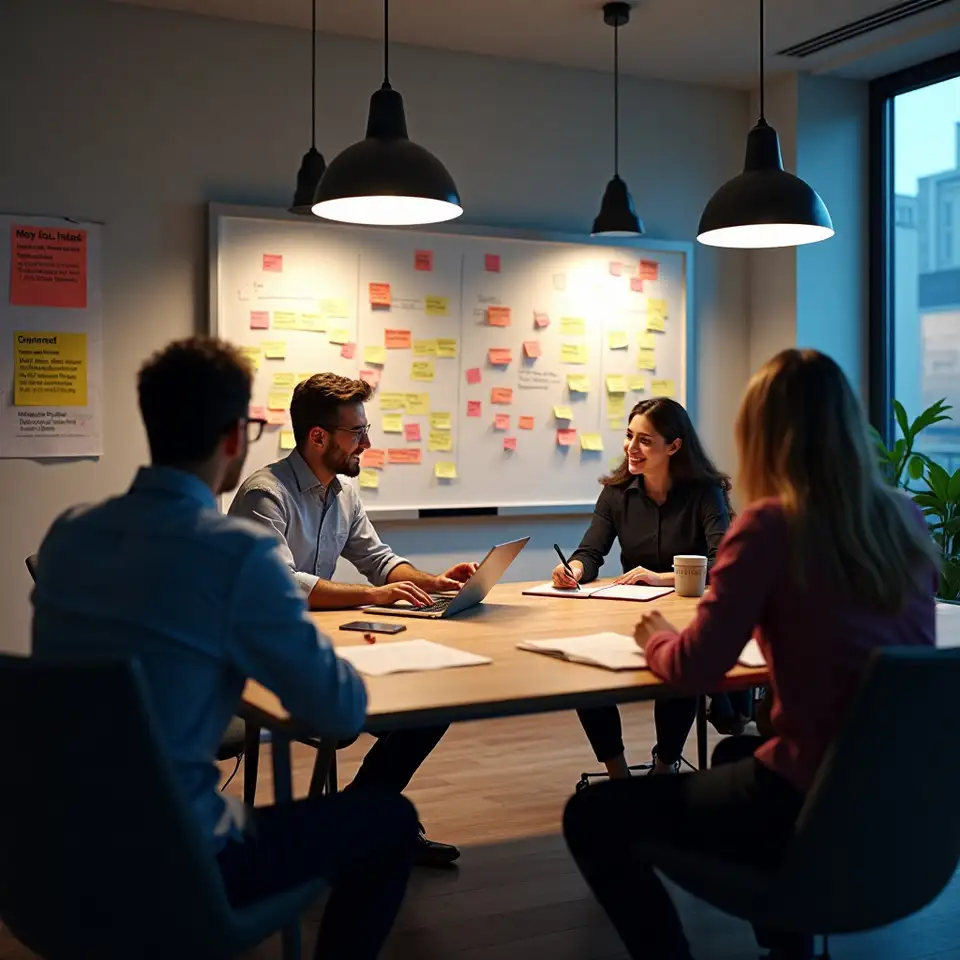
Stages of the prototyping workflow

From first hunch to archived decision, the workflow follows the same path. Name the risk, design the test, run it with discipline, then decide and document. Your tools, team, and scope change. The loop stays steady.

1

Discovery and question framing

I start by listening. You share your project, current build, and the decisions blocking your roadmap. Together we rewrite those concerns as one or two sharp questions in plain language. We link each question to a concrete decision, like greenlighting a mechanic or parking a mode. I log these in a shared experiment register so every later step points back to them, not to vague hopes.
2

Design breakdown and technical spike

Next I break the idea into testable parts. We choose which systems to stub, which to build, and which to ignore for now. I design a small prototype plan that fits your engine, repos, and build tools. This includes branch strategy, scene layout, and light instrumentation. The goal is a lean, honest build that your team can ship fast and retire without regret once it has answered the question.
3

Build, internal runs, and external playtests

With the plan agreed, we build and test in short, visible steps. I support your team as they create the prototype, wire inputs, and add minimal analytics or observation hooks. We run internal tests first, then targeted external playtests if needed. During each run we capture both numbers and comments against the original question so we do not drown in noise or chase vanity metrics.

4

Iteration, decision, and documentation

When the test window closes, we review what happened. I facilitate a decision session where we compare expectations, observations, and constraints. We choose to commit, change, or park the idea, then record that call in the experiment register. I assemble a concise archive with builds, notes, and rationale so your in house team can reference or extend the work without starting from zero.

Typical durations and engagement shapes

6 Milestones — Sort by phase
Timing Phase Type Details
Early concept validation cycles Initial engagements focus on early concept validation. We frame one or two core loop questions, run very small prototypes, and test whether the workflow fits your tools and culture. These projects often last a few weeks and end with a compact archive of experiments and decisions you can reference later.
Vertical slice experiment phases Once the loop feels stable, we may plan a deeper vertical slice. Here the methodology stretches to cover pacing, onboarding, and feel across a short arc. The work still behaves like an experiment, with clear questions and exit criteria, but involves more disciplines and review points.
Workflow and pipeline design blocks For teams ready to formalise how they experiment, we run workflow design phases. I map current practices, propose changes, and help you pilot new experiment backlogs, naming schemes, and reports. These phases focus on habits rather than specific features or builds.
Multiplayer and networking trials Networked and cooperative tests use the same loop but add stability and session planning. We design small lobbies or arenas, define failure modes, and observe how players interact. The timeline depends on your stack, but the focus remains on flow, not scale claims.
Ongoing workflow calibration After the first full cycle, some teams schedule periodic check ins. We review new experiments, refine templates, and adjust the workflow as tools or team structure change. These lighter engagements keep the methodology aligned with your evolving production reality.
Handoff and internal adoption At the end of any major phase, I prepare a handoff pack. It bundles experiment registers, archive structures, and guidance for new team members. This step helps your studio keep the workflow alive without long term external involvement.

Integrations and tooling

The methodology stays engine agnostic, but it works best when it lives inside your actual stack. I adapt the loop to your engines, repos, build systems, analytics, and collaboration tools so experiments feel like part of production, not a side project.

integrations — bash
~ $ Tools I plug into
Unity focus
Engines
Set up lean prototype projects, scene templates, and input maps that match your existing Unity production setup.
Unreal support
Engines
Shape experiment friendly levels, blueprints, and profiles so Unreal prototypes stay small and easy to retire.
Version control
Code
Design branch, tag, and merge habits that keep experiment work visible without polluting main production lines.
CI pipelines
Delivery
Plug prototype builds into your CI or simple build scripts so teams can test often without manual packaging.
Light analytics
Insight
Add just enough event logging to capture completion, friction points, and key decisions without heavy dashboards.
Team spaces
Collab
Use your existing boards and docs to track questions, loops, and decisions so everyone sees the same experiment map.
Playtest tools
Research
Integrate simple survey forms and note templates to keep player signal structured and comparable across tests.
Runbooks
Ops
Create short checklists for setup, playtests, and archiving so your in house team can repeat the loop reliably.

Turning prototypes into a question first loop

Most teams say they prototype fast. I care more about how they learn. My workflow starts with one principle. Every prototype must answer a single, written question. I call this the question first loop. First, we capture the question in plain language, tie it to a decision, and log it in a simple experiment register. Next, we design the smallest honest test that can speak to that question, using your engine, tools, and branch model. During the build, I keep a short daily log that links changes to the original question. When we run internal or external playtests, we tag observations and metrics against that same entry, not a separate dashboard. The key step comes after testing. We hold a short decision review where we read the signal together and pick a direction. Commit, change, or park. I then archive the loop. That archive includes the question, build details, playtest notes, and the final call. Your in house team can reuse this pattern for future ideas. Over time, the register becomes a living map of what you tried, what you learned, and which experiments shaped your roadmap. I do not promise specific outcomes. I promise a traceable way to move from hunch to evidence that respects your people, your tools, and your constraints.

Why a disciplined workflow makes experiments safer for your team

This methodology is not a silver bullet. It is a steady way to turn creative hunches into visible experiments that your whole team can understand, debate, and archive without burning out.

Cookies and preferences

This site uses cookies and similar technologies to run basic features, understand traffic, and remember preferences. Some cookies may come from trusted third parties. You can review details in our policies and adjust browser settings if needed.